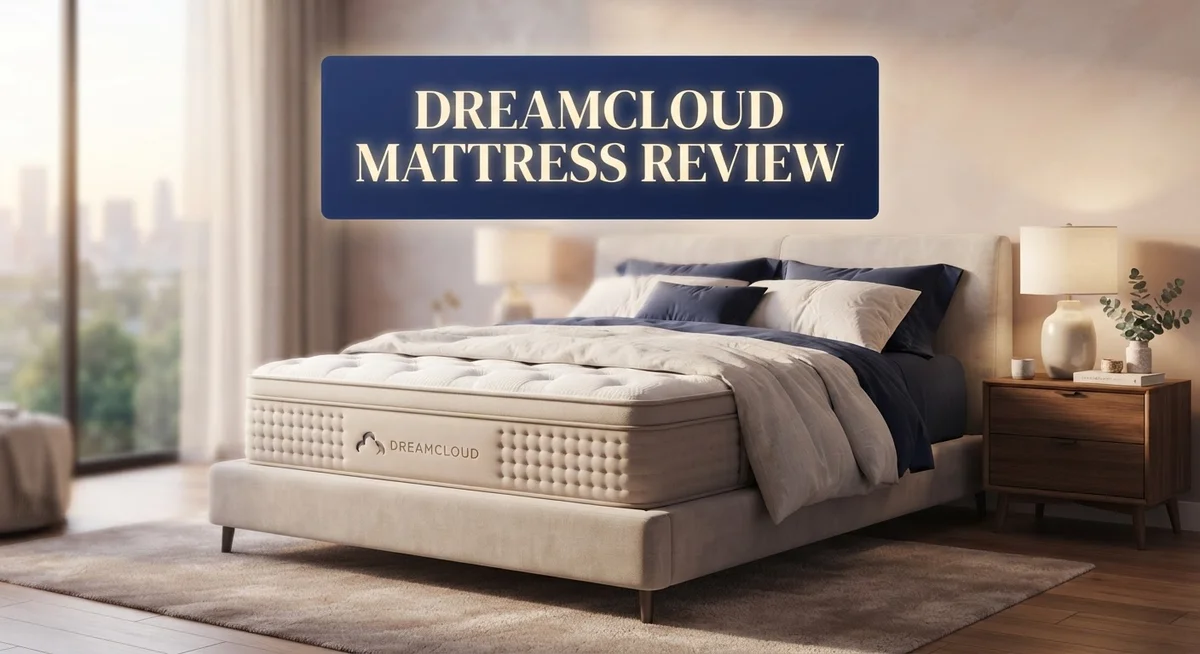
DreamCloud Mattress Review 2026: Live Up To The Hype?
Looking for a mattress that balances comfort and support? The DreamCloud Mattress might catch your eye. It uses a 6-layer hybrid design to give sleepers a soft yet supportive feel.
This mattress features a CloudQuilt™ cover and cooling fiber technology. These layers work together to keep you comfortable through the night.
Back sleepers often praise its spinal support. Couples love how well it isolates motion, so tossing and turning won’t disturb your partner.
But no mattress is perfect. Side sleepers may notice less pressure relief around the hips and shoulders. The comfort layer also runs thinner than many competitors offer.
This review breaks down everything you need to know about the DreamCloud Mattress.
You’ll learn about its build quality, firmness level, and how it stacks up against rivals like the DreamCloud Premier and Premier Rest. By the end, you’ll know if this mattress fits your sleep style.
Let’s jump into the details and see what makes this mattress tick.
In a Nutshell
Here’s the quick rundown on the DreamCloud Mattress before you dive deeper:
- Build: A 6-layer hybrid design combines foam and coils. It includes a thin comfort layer of pressure-relieving memory foam.
- Certification: This mattress is CertiPUR-US® certified and fiberglass-free. You get peace of mind about the materials inside.
- Firmness: It sits at a medium-firm 6.5/10. This feel works well for many sleep styles but leans firmer overall.
- Sleeper Fit: Side sleepers may notice less cushioning at the hips and shoulders. The comfort layer runs thinner than average.
- Couples Bonus: Motion isolation performs well here. Partners won’t feel much movement across the bed.
- The Trade-off: It uses more poly foam than pure memory foam. Some users also report slow customer service responses.
- Test Results: Independent testing placed this model in the bottom 49% for overall performance. Keep this in mind if support is a top priority.
- Alternatives: Check out the DreamCloud Premier or Premier Rest if you need extra thickness or side sleeper support.
Construction and Materials
The DreamCloud Mattress uses a 6-layer hybrid construction that combines foam comfort with coil support. This blend aims to give you the best of both worlds: pressure relief on top and responsive bounce underneath.
Let’s break down what’s actually inside. The top layer features a CloudQuilt™ cover paired with cooling fiber technology. This design helps regulate temperature while you sleep. The next layer includes 1 inch of pressure-relieving memory foam that contours to your body shape.
Below that sits a layer of poly foam. Here’s where things get interesting. This mattress relies more on poly foam than traditional memory foam, which affects how it feels and performs. Poly foam responds faster but may not provide as much deep cushioning as pure memory foam would. This choice impacts side sleepers the most, as hips and shoulders don’t get quite as much sinkage.
The core of the mattress houses coils that provide support and durability. These coils work with the foam layers to create that medium-firm feel at 6.5 out of 10. The hybrid design means you get bounce back rather than that stuck-in-the-bed feeling some memory foam mattresses create.
Material quality matters too. The DreamCloud Mattress is CertiPUR-US® certified, which means it meets strict safety and environmental standards. Importantly, it’s also fiberglass-free. Many budget mattresses use fiberglass as a fire barrier, but this one skips that ingredient entirely. That’s a genuine plus for health-conscious sleepers.
The standard model measures approximately 13 inches thick. If you want extra cushioning, the Premier Rest version reaches 16 inches. Thickness affects how the mattress performs, especially for heavier sleepers who need more material between them and the support core.
Motion isolation performs well across this mattress. If you share your bed with a partner, movements on one side don’t transfer as much to the other. The foam layers absorb energy effectively, which keeps sleep disturbances minimal for couples.
The construction philosophy here emphasizes balance over specialization. It’s not built specifically for any one sleeper type, which works great for back sleepers but leaves side sleepers wanting more cushioning at pressure points.

- CloudQuilt(TM) TOP- A quilted top creates a soft, luxurious sleep surface. Cooling fibers woven into the cover help keep you cool...
- SIX LAYERS OF COMFORT - DreamCloud Premier Hybrid features a 6-layer design with our signature CloudQuilt quilted cover, cooling...

Last update on 2026-10-28 / Affiliate links / Images from Amazon Product Advertising API
Firmness and Support Profile
The DreamCloud Mattress sits at a medium-firm 6.5 out of 10 on the firmness scale. This positioning works well for back sleepers who need solid spinal alignment without excessive softness.
The firmness comes from the mattress’s hybrid structure. A 1-inch memory foam layer sits on top, followed by cooling fiber technology. Below that, poly foam provides additional support. The coil core then handles the heavy lifting for overall structure and durability.
Side sleepers should pay close attention here. The thinner comfort layer means less cushioning at pressure points like hips and shoulders. You may experience discomfort during longer sleep sessions if you favor side sleeping. The mattress doesn’t sink deeply enough to cradle these areas effectively.
Back sleepers get the best experience. The medium-firm feel keeps your spine neutral without creating that “floating on air” sensation. The coil system responds quickly to your body weight, preventing excessive sinkage. This responsive feel helps maintain proper alignment throughout the night.
The trade-off involves materials. The mattress relies more on poly foam than pure memory foam. This choice affects how the mattress feels and performs over time. Poly foam doesn’t conform as slowly or completely as memory foam, so you’ll notice a bouncier response.
Motion isolation performs well despite the hybrid design. Couples benefit from reduced partner disturbance when one person moves or gets out of bed. The foam layers absorb movement effectively, even though the coil system adds some inherent bounce.
Independent testing revealed this model ranks in the bottom 49% for overall performance. This score reflects the limited pressure relief for side sleepers and the reliance on poly foam construction.
If you sleep on your back, this firmness level delivers solid support. If you sleep on your side, consider the DreamCloud Premier Rest instead. That model offers better cushioning for hip and shoulder pressure points. The Premier Rest adds extra thickness and memory foam specifically designed for side sleepers.
The standard 13-inch thickness contributes to the firmness profile. Less material means less opportunity for deep contouring. The mattress prioritizes support over plush comfort, which explains its medium-firm character.
Motion Isolation and Temperature Regulation
Motion isolation and temperature regulation work together to create a better sleep experience, especially if you share your bed with a partner.
The DreamCloud Mattress excels at motion isolation. When your partner moves, shifts, or gets out of bed, you stay undisturbed. The hybrid design deserves credit here. Coils absorb movement energy instead of transferring it across the surface. The foam layers on top add another cushioning barrier. This combination means restless sleepers won’t wake you up throughout the night.
The CloudQuilt™ cover plays a key role in temperature management. This cover includes cooling fiber technology built right into the fabric. It works by pulling heat away from your skin during the night. You won’t feel like you’re sleeping on a hot surface.
The 1 inch of pressure relieving memory foam adds to the cooling effect. Memory foam can trap heat, but DreamCloud engineered this layer to minimize that problem. The cooling fibers counteract the traditional heat retention issues you’d find in older foam mattresses.
Air circulation matters too. The coil layer beneath the foam allows air to flow through the mattress structure. This ventilation helps prevent heat buildup in the core. Back sleepers benefit most from this airflow since they rest flat against the surface.
Side sleepers experience different temperature patterns. They contact more of the foam layer, which may feel slightly warmer. The cooling technology still works, but the contact area increases heat retention slightly.
The medium firm construction supports both motion isolation and temperature regulation. A softer mattress would absorb more heat. A firmer mattress would transfer more movement. The 6.5 out of 10 firmness hits a sweet spot between these two concerns.
Keep in mind that individual temperature preferences vary widely. Some sleepers naturally run hot. Others prefer warmth. The DreamCloud performs adequately for most people, though hot sleepers might want to explore the Premier Rest model for additional cooling features.
Top 3 Alternatives
Casper Original Mattress

- DESIGNED FOR ALL SLEEPERS: Medium-firm feel and Zoned Support align your spine and provide firmer foam under hips, waist, and...
- PREVENTS OVERHEATING ALL NIGHT: Unlike traditional memory foam Casper's breathable open-cell Flex Foam keeps air flowing so you...
Last update on 2026-10-28 / Affiliate links / Images from Amazon Product Advertising API
The Casper Original offers a balanced sleep experience. It combines foam layers that work together to support your body and keep you cool at night. The mattress has a medium firmness level that appeals to many sleepers.
This mattress works well for people who switch positions during sleep. The foam responds quickly to movement changes. You get good pressure relief without sinking too deep into the surface.
The construction includes a breathable cover that helps with temperature control. Many users appreciate the quick delivery and easy setup process.
Nectar Memory Foam Mattress

- SIMPLE TO SET UP - Just move the box to the room you want to use it in, unbox and unroll your mattress, and watch it expand before...
- THE NECTAR SLEEP SYSTEM - Introducing our signature combination of fabrics and foams that makes up the top three layers of every...
Last update on 2026-10-28 / Affiliate links / Images from Amazon Product Advertising API
Nectar focuses on deep comfort with its thick memory foam layers. The mattress cradles your body and reduces motion transfer between partners. This makes it a solid choice for light sleepers.
The gel-infused foam helps manage heat throughout the night. The mattress adapts to your body shape over time. You’ll notice the foam becoming more responsive as you use it.
Nectar includes a quilted cover that feels soft to the touch. The mattress performs well for side sleepers who need extra cushioning around pressure points.
Purple Hybrid Mattress

- PRESSURE RELIEF AND ALIGNED SUPPORT: The Purple Restore Hybrid Mattress cradles pressure points at your hips and shoulders with...
- MEDIUM FEEL FOR EVERY SLEEP POSITION: The Purple Restore Hybrid Mattress is a medium mattress built for spine alignment and less...
Last update on 2026-10-28 / Affiliate links / Images from Amazon Product Advertising API
Purple combines coils with their unique gel-flex grid technology. This hybrid approach gives you bounce and support from the coil base. The top layer absorbs heat and keeps your surface cool.
The grid design allows air to flow freely through the mattress. This airflow prevents heat buildup that many sleepers experience. The mattress suits hot sleepers and those who want responsive support.
The hybrid construction offers a different feel from all-foam options. You get the contouring benefits of foam without the stuck-in feeling. Purple works well for stomach and back sleepers who prefer firmer support.
Pressure Relief and Sleep Position Suitability
The DreamCloud Mattress handles pressure relief differently depending on how you sleep. Back sleepers experience the most support because the medium-firm structure aligns your spine naturally. The coil core provides stable support where you need it most.
Side sleepers face a real challenge with this model. The 1 inch of memory foam comfort layer sits thin compared to other options. Your hips and shoulders press into the mattress more, which can cause discomfort during long sleep sessions. This thinner cushioning layer is the main trade-off in DreamCloud’s design.
Stomach sleepers find decent support here too. The firmness prevents excessive sinking, which keeps your spine neutral. You won’t feel like you’re floating, and you won’t feel stuck either.
The pressure relief story connects to material choice. DreamCloud uses poly foam rather than thicker memory foam layers. Poly foam responds quickly but doesn’t conform as deeply to your body. This means less gradual pressure distribution at contact points.
The hybrid construction creates a responsive feel that some sleepers prefer. You get coil support without the “stuck in quicksand” sensation. However, this responsiveness comes at the cost of targeted pressure relief for side sleepers.
If side sleeping is your main position, the Premier Rest model offers better options. The extra thickness and construction changes provide more cushioning at pressure points. The standard DreamCloud works best for back and stomach sleepers who prioritize support over deep contouring.
Temperature also affects pressure relief perception. The CloudQuilt™ cover and memory foam layer help keep you cool, which prevents the overheating that makes pressure points feel worse. A cooler sleep surface can make mild pressure issues feel more tolerable.
Consider your natural sleep position before committing. Back sleepers will feel satisfied with pressure support. Side sleepers should test this mattress first or explore the Premier Rest alternative. The medium-firm design works well for people who want support without maximum softness.
Durability and Long-Term Performance
The DreamCloud Mattress uses a 6-layer hybrid structure that prioritizes durability through its construction approach. The CertiPUR-US® certified materials ensure the mattress avoids harmful chemicals and fiberglass, which extends its lifespan by preventing breakdown from toxins.
Hybrid mattresses like the DreamCloud typically last 7 to 10 years with proper care. The combination of coil support and foam layers distributes wear more evenly than all-foam designs. This means pressure points don’t degrade as quickly in the middle of the mattress.
The CloudQuilt™ cover adds a protective layer that resists dust and allergen accumulation. Regular vacuuming of the cover keeps the mattress fresher longer. The cover’s durability directly impacts how well the entire mattress performs over time.
One concern emerges with the thinner comfort layer. Less cushioning material can compress faster under consistent body weight, especially for heavier sleepers. This compression doesn’t necessarily mean failure, but it does affect feel and support after several years.
The poly foam construction (rather than memory foam) offers a specific durability advantage. Poly foam resists permanent indentation better than traditional memory foam. You’ll notice the mattress bounces back more consistently across multiple sleep cycles.
Independent testing ranked this model in the bottom 49% for overall performance. This ranking suggests some durability questions compared to premium alternatives. However, this doesn’t mean the mattress fails quickly. It simply performs below average in standardized endurance tests.
Back sleepers experience fewer durability issues with this model. The medium-firm support maintains its structure well for this sleep position. Side sleepers may notice softening in the comfort layer sooner due to concentrated pressure on hips and shoulders.
Temperature stability matters for long-term durability too. The cooling fiber technology and memory foam layer help prevent heat damage to materials. Excessive heat can break down foam compounds, so this feature extends mattress life.
To maximize durability, use a quality mattress protector and rotate the mattress every 3 to 6 months. Avoid jumping or standing on the surface. Proper foundation support prevents sagging that ages mattresses prematurely.
Pros and Cons
Pros
- Back sleepers get solid spinal support from the hybrid construction
- Couples appreciate the effective motion isolation that prevents sleep disruption
- The responsive feel provides a balanced sinkage that many sleepers enjoy
- CertiPUR-US® certified materials mean you avoid toxic chemicals and fiberglass
- Non-toxic construction makes this a safer choice for health-conscious buyers
Cons
- Side sleepers risk hip and shoulder pain due to limited pressure relief in the comfort layer
- The thinner-than-average comfort layer reduces overall cushioning compared to other hybrids
- Independent tests ranked this model in the bottom 49% for overall performance
- Poly foam construction (rather than memory foam) means less contouring for pressure points
Who Should Buy It
Back sleepers should seriously consider the DreamCloud Mattress. The hybrid construction delivers solid spinal support that keeps your spine properly aligned throughout the night. You won’t sink too deeply, and you won’t feel like you’re sleeping on a board either.
Couples benefit greatly from this model. The motion isolation works well, so when your partner tosses and turns, you stay undisturbed. This feature makes a real difference for light sleepers sharing a bed.
Stomach sleepers find adequate support here too. The responsive feel prevents excessive sinking that could strain your lower back. You get enough cushioning without feeling stuck in the mattress.
However, side sleepers should pause before buying. Limited pressure relief in the comfort layer means your hips and shoulders may experience discomfort. If side sleeping is your primary position, the DreamCloud Premier Rest model offers better options specifically designed for your needs.
Hot sleepers appreciate the cooling fiber technology built into the CloudQuilt™ cover. The 1″ pressure-relieving memory foam layer also helps regulate temperature. You won’t wake up drenched in sweat.
Health-conscious buyers value the non-toxic materials. The CertiPUR-US® certification guarantees you avoid harmful chemicals and fiberglass. This matters if you have sensitivities or allergies.
People who prefer a responsive, bouncy feel rather than a hugging sensation will enjoy this mattress. The hybrid design creates that balanced sinkage without the “stuck” feeling of all-foam options.
Skip this mattress if you expect exceptional durability. Independent testing ranked it in the bottom 49% for overall performance. Longevity might become an issue down the road.
Buyers seeking customizable firmness should look elsewhere. The DreamCloud offers one firmness level only. If you want to adjust support, the Naturepedic EOS provides that flexibility.
Finally, prioritize customer service quality. User reports indicate poor support experiences. If you need responsive help after purchase, this factor matters for your decision.
Final Verdict
The DreamCloud Mattress works well for specific sleep needs. It shines as a solid pick for people who want reliable support without fuss.
Back sleepers and couples find the most satisfaction with this design. The hybrid build handles their needs efficiently.
If you sleep on your side, think twice. The comfort layer may not give enough cushion for your hips and shoulders over time.
Consider your priorities before buying. Do you want long term durability or a responsive sleep surface? This mattress leans toward the second option.
Customer service concerns remain a real factor. Some users report slow responses when issues come up. Keep this in mind if quick support matters to you.
For those wanting more customization, the Naturepedic EOS offers a fully adjustable design. This gives shoppers a way to fine tune firmness levels.
The DreamCloud Premier suits back sleepers looking for a thicker profile. Meanwhile, the DreamCloud Premier Rest targets side sleepers who need deeper cushioning.
These sister models fill gaps that the standard version leaves open. They give you options within the same brand family.
Health conscious buyers can feel confident here. The CertiPUR-US® certification and fiberglass free build add peace of mind.
Overall, this mattress fits a clear group of sleepers. It rewards those who prioritize spinal support and motion isolation.
It falls short for side sleepers or anyone chasing top tier durability scores. Independent rankings confirm this gap in performance.
Think about your sleep style first. Match it against what this mattress offers before making a final call.
If you sleep mainly on your back or share a bed, this model deserves serious thought. If you sleep on your side or want plush pressure relief, explore the Premier Rest or check other brands instead.
Your comfort depends on matching the right mattress to your body type. Choose wisely based on how you actually sleep each night.
Frequently Asked Questions
Is the DreamCloud Mattress good for back sleepers?
Yes. Back sleepers find solid spinal support with this model. The medium-firm feel (6.5/10) keeps your spine aligned without excessive sinking. The 6-layer hybrid design provides enough support to prevent lower back strain during the night.
However, customer service quality remains a concern you should know about before purchasing.
Will I sleep hot on this mattress?
No, not likely. The CloudQuilt™ cover includes cooling fiber technology that helps regulate temperature. Hot sleepers specifically appreciate this feature. The hybrid construction also allows better airflow compared to all-foam options.
If heat retention worries you, this mattress addresses that problem directly.
Can side sleepers use the DreamCloud Mattress?
Side sleepers should pause before buying. The thinner-than-average comfort layer means limited pressure relief for your hips and shoulders. You may experience pain in these areas during the night.
The DreamCloud Premier Rest is the better choice if you sleep on your side. It offers more cushioning where you need it most.
What materials does this mattress use?
The mattress features CertiPUR-US® certified foam layers. You get a 1″ pressure-relieving memory foam layer plus cooling fiber technology. The cover is the CloudQuilt™ design.
No fiberglass or toxic chemicals are present in the construction. Health-conscious buyers feel confident with this design.
How does DreamCloud compare to other hybrid mattresses?
Independent tests ranked this model in the bottom 49% for overall performance. Other hybrids offer thicker comfort layers or better pressure relief.
For customizable options, the Naturepedic EOS lets you adjust firmness. The DreamCloud Premier works better for back sleepers wanting extra thickness.

Hi! I’m Daisy, the voice behind HomeVibe Blog. I’m passionate about creating spaces that feel like home – cozy, functional, and uniquely yours. After years of experimenting with home décor, organizing solutions, and testing countless products, I decided to share my experiences to help others navigate the overwhelming world of home essentials.