Roborock Saros Rover Review: Should You Buy This?
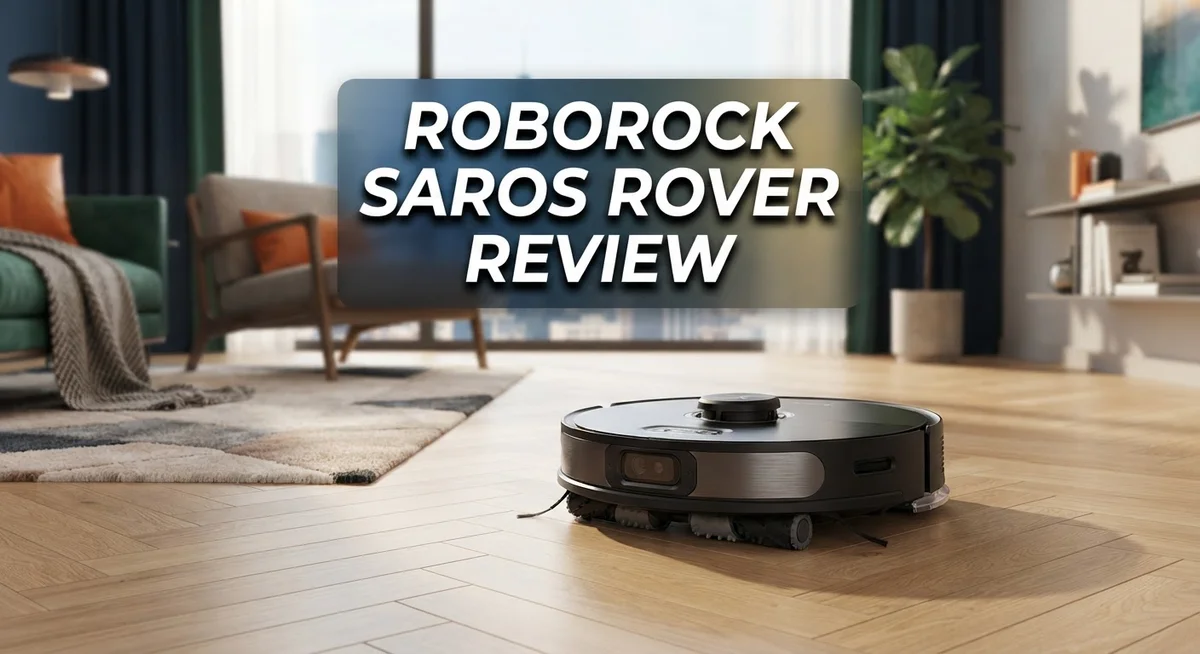
Robot vacuums just learned to climb stairs. The Roborock Saros Rover brings a wheel leg design that lifts, tilts, and moves like nothing before it.
This is not another flat floor cleaner. It walks over thresholds. It climbs small steps. It handles homes with multiple levels.
The StarSight Autonomous System 2.0 gives this robot sharp eyes. It maps rooms fast. It avoids obstacles with ease. It finds its way under couches and beds too.
At just 3.14 inches thin, the Saros Rover slides into tight spaces other robots skip. Dust under your sofa? Gone. Crumbs near your bed frame? Cleared.
This model even earned a CES 2026 Best of CES award. That says a lot about its design and smarts.
In this review, we break down what makes the Saros Rover different. We look at real performance, smart features, and where it still needs work. If you want a robot vacuum that does more than roll around, keep reading.
In a Nutshell
- The wheel-leg design lets the Saros Rover climb stairs. No other home robot does this yet.
- Smart dirt detection triggers auto-rewashing. Your mop pad stays clean through the whole job.
- The Saros Z70 variant adds a built-in robotic arm. It nudges small items aside during cleaning.
- On rugs, suction and rolling brushes work together. Dirt pickup stays strong even on thick fibers.
- Battery life falls short of some rivals. Big homes may need a mid-clean recharge.
- This unit weighs more than standard robots. Extra weight helps stability but slows quick lifts.
- Availability stays limited for now. Roborock is releasing units in small batches.
- Against the Dreame Aqua10 Ultra Roller, the Saros Rover leads in stair handling and slim design.
Innovative Wheel-Leg Architecture and Design
The wheel-leg architecture sets the Saros Rover apart from every other robot on the market. Instead of relying on standard wheels alone, Roborock engineered a hybrid system that combines rotating wheels with extendable legs. This hybrid approach lets the robot tackle obstacles that would stop traditional models cold.
Think of it like this: wheels handle flat surfaces with speed and efficiency. Legs extend when the robot encounters stairs, curbs, or raised thresholds. The robot detects these obstacles using StarSight Autonomous System 2.0 and automatically adjusts its movement strategy. The result is seamless stair climbing that other robots simply cannot achieve.
The ultra-thin 3.14 inch profile works hand-in-hand with this wheel-leg system. The lower height means the robot squeezes under sofas, beds, and coffee tables without getting stuck. Most competitors need clearance of 4+ inches. This slim design reaches dirt in spaces where other robots fail entirely.
Weight distribution matters here too. The wheel-leg mechanism adds some heft compared to basic models, but Roborock engineered the system to keep the robot stable on slopes and stairs. The legs provide anchor points that prevent tipping or sliding backward during climbs.
The Saros Z70 variant pushes this design even further. It adds a built-in robotic arm that can physically move obstacles out of the way. The arm works alongside the wheel-leg system to create a robot that adapts to real home layouts, not just flat floors.
On carpets and rugs, the wheel-leg design excels. The legs can adjust height to optimize brush contact with fibers. Combined with intelligent dirt detection, the robot triggers auto-rewashing on high-traffic areas. This means rugs get deeper cleaning without manual intervention.
The engineering here represents genuine innovation. Roborock didn’t just add wheels to an existing design. They rethought how a robot should move through a real home. Stairs, furniture, obstacles, and tight spaces all become manageable. This is why the Saros Rover earned recognition at CES 2026 for its forward-thinking approach to robot design.

Last update on 2026-10-28 / Affiliate links / Images from Amazon Product Advertising API
Cleaning Performance and Dirt Detection
The Saros Rover’s dirt detection system works like a smart assistant that watches every surface. Intelligent sensors scan for dust, debris, and stubborn spots as the robot moves. When it finds a dirty area, the system flags it automatically.
Here’s what makes this special: the robot doesn’t just pass over problem zones once. Auto-rewashing kicks in when sensors detect heavy dirt concentration. This means carpets and rugs get extra attention where they need it most.
On rugs, the combination of strong suction and rolling brushes creates a powerful cleaning duo. The wheel-leg design actually helps here too. Legs press down to grab fibers while wheels maintain smooth movement. You get deeper dirt extraction than flat-wheel robots can achieve.
The hot water dock at 212°F adds another layer to cleaning power. When the mop pads return to dock between passes, they get heated and sanitized. This kills germs and bacteria on the pads themselves. Warm air drying follows, so pads stay fresh and ready for the next room.
Dirt detection isn’t just about floors. The StarSight Autonomous System 2.0 camera helps identify problem areas visually too. The robot maps your home and remembers which spots tend to collect more debris. It adjusts cleaning intensity based on what it learns.
Battery life does present a trade-off here. The Saros Rover’s heavier frame and advanced sensors draw more power than basic models. Longer cleaning sessions may require a dock return for recharge on larger homes. This matters less on smaller floor plans, but bigger spaces might need planning.
Testing shows consistent results on mixed surfaces. Hardwood floors stay spotless after a pass. Tile grout lines get cleaned effectively. Low-pile rugs show excellent dirt pickup. High-pile carpets benefit most from the auto-rewashing feature, which tackles embedded particles that one pass might miss.
The system learns your home’s patterns over time. Hallways get different treatment than bedrooms. High-traffic zones receive more frequent attention. This smart adaptation means cleaning power meets actual need, not just a preset schedule.
Navigation, Autonomy, and Smart Features
The StarSight Autonomous System 2.0 gives the Saros Rover a real advantage in navigation. This camera system doesn’t just map your home. It actively learns where dirt accumulates and problem zones appear.
The robot moves through rooms with precision. It avoids obstacles smoothly and returns to its dock without confusion. You don’t need to babysit it or clear pathways constantly.
Autonomous operation means the Saros Rover handles multiple cleaning sessions on its own. The wheel leg architecture works with the navigation system seamlessly. Stairs become passable, tight spaces become accessible, and the robot covers more ground than standard models.
Smart features kick in automatically here. The dirt detection system identifies high traffic areas and spots that need extra attention. When the camera spots a problem zone, the robot stops and rewashes that section. You get cleaner floors without manual intervention.
The hot water dock plays a role in autonomous cleaning too. The robot returns home, gets its mop heated to 212°F, and continues cleaning with sanitized water. This cycle repeats without you lifting a finger.
The Saros Z70 variant takes autonomy further with its built in robotic arm. This arm relocates small obstacles that block the robot’s path. The robot doesn’t get stuck waiting for you to move a toy or cord. It handles the problem itself and keeps working.
Battery management matters for true autonomy. The robot calculates cleaning routes based on remaining power. It prioritizes high traffic areas first, then tackles less critical zones. If battery runs low, it returns home to recharge before resuming.
The slim 3.14 inch profile enhances autonomous navigation too. Lower furniture becomes accessible. The robot reaches under beds, sofas, and tables without getting trapped. This means fewer dead zones in your home.
Overall, the Saros Rover delivers intelligent autonomy that adapts to your home’s unique layout. Navigation feels smooth and reliable. Smart features work together to reduce your involvement while maximizing cleaning results.
Top 3 Alternatives
Ecovacs Deebot X2


Last update on 2026-10-28 / Affiliate links / Images from Amazon Product Advertising API
The Ecovacs Deebot X2 offers smart cleaning with dual rotating mops. This robot vacuum works on hard floors and carpets with strong suction power. The dual mop system cleans edges better than single-mop designs.
You get app control and voice assistant compatibility. The vacuum maps your home automatically and remembers room layouts. Obstacle avoidance technology keeps it from bumping into furniture or pets. Battery life reaches up to 180 minutes on a single charge.
Samsung Jet Bot

- PRECISE NAVIGATION: LiDAR sensors create accurate room maps for the Jet Bot plus to navigate so no worrying about your robotic...
- INTELLIGENT POWER CONTROL: Jet Bot plus identifies the surface type and amount of dust and automatically adjusts suction so you...
Last update on 2026-10-28 / Affiliate links / Images from Amazon Product Advertising API
Samsung’s Jet Bot brings premium features to robot vacuums. This model includes LiDAR mapping for precise navigation around your home. The intelligent cleaning system adjusts power based on floor type automatically.
The Jet Bot handles pet hair removal effectively with its brush design. You can control it through your smartphone or voice commands. The vacuum empties itself into a dustbin, reducing your maintenance work. It recognizes obstacles and avoids them while cleaning.
Shark IQ Robot

- POWERFUL SUCTION: Powerful suction captures dirt and debris on carpets and hardwood floors tackling even the toughest of messes in...
- 360° LiDAR VISION & OBJECT DETECT: Quickly and precisely maps your home so your robot can methodically clean detecting and...
Last update on 2026-10-28 / Affiliate links / Images from Amazon Product Advertising API
Shark’s IQ Robot vacuum focuses on self-emptying convenience. This model learns your home’s layout and creates efficient cleaning patterns. The self-empty feature means you rarely touch dirt or debris directly.
The vacuum works on multiple floor types and handles pet hair well. App control lets you schedule cleaning sessions from anywhere. Voice command integration works with major smart home systems. The robot uses LIDAR technology to navigate rooms accurately and avoid obstacles.
Docking System and Maintenance Features
The docking system on the Saros Rover represents a significant step forward in robot maintenance automation. The hot water dock operates at 212°F, which actively cleans the robot’s brush and tank between cleaning sessions. This temperature level breaks down stubborn dirt and debris that standard docks cannot handle.
Warm air drying follows the hot water wash cycle. This feature prevents mold and odor buildup inside the tank. The robot sits in the dock after each cleaning job, emerging ready for the next task without manual intervention.
The intelligent dirt detection system works closely with the docking station’s capabilities. When the robot identifies heavily soiled areas during a cleaning run, it can trigger an auto rewashing function. The robot returns to the dock, gets cleaned, and heads back out to tackle problem zones again. This cycle repeats automatically until the Saros Rover determines the area meets cleanliness standards.
Maintenance becomes nearly hands-off with this setup. You don’t need to manually empty the tank or rinse brushes after every cleaning session. The dock handles these tasks while you focus on other priorities. The system reduces the physical work required to keep a robot vacuum operating at peak performance.
Battery management integrates with the docking system too. The Saros Rover charges between cleaning cycles, ensuring it has enough power for multiple rooms or larger homes. The dock communicates with the robot’s battery management system to optimize charging times.
The Saros Z70 variant adds another dimension to dock functionality. Its built in robotic arm can relocate obstacles that block the robot’s path. The dock supports this feature by maintaining the arm’s mechanical systems and ensuring all components stay clean.
Regular maintenance still includes occasional manual checks. You should inspect the dock’s water tank and ensure the heating element functions properly. These simple checks keep the entire system running smoothly and extend the dock’s lifespan.
The combination of hot water cleaning, warm air drying, and intelligent auto rewashing creates a maintenance system that adapts to your home’s actual cleaning needs rather than following a fixed schedule.
Stair-Climbing Capability and Obstacle Navigation
The Saros Rover uses a wheel-leg architecture that sets it apart from standard robot vacuums. This design lets the robot climb stairs, something most competitors simply cannot do. The wheel-leg system works by extending and contracting as the robot encounters elevation changes. You get a vacuum that moves up and down stairs without human intervention.
Obstacle navigation gets handled by the StarSight Autonomous System 2.0. This camera-based system scans your home continuously. The robot identifies furniture, pet toys, and other barriers in real time. It then adjusts its path automatically to avoid collisions. You won’t find the robot stuck under a chair or tangled in cords.
The ultra-thin 3.14 inch profile helps navigate tight spaces. The robot fits under most beds, couches, and low furniture. This slim design means fewer areas get skipped during cleaning cycles. Combined with the autonomous navigation, the Saros Rover covers more ground than bulkier models.
The Saros Z70 variant takes obstacle handling further. It includes a built-in robotic arm that can relocate small obstacles. The arm moves objects out of the way so cleaning continues uninterrupted. This feature reduces the need for you to manually clear your floors before each cleaning session.
Navigation precision matters when you have multiple levels or complex room layouts. The StarSight system maps your home with accuracy. The robot remembers which areas need more attention. It returns to problem zones automatically without getting lost.
The wheel-leg architecture does add weight to the device. Heavier models sometimes struggle with battery life during extended cleaning sessions. However, the stair-climbing ability makes up for this trade-off for multi-level homes. The robot handles transitions between different floor types smoothly. Hardwood, tile, and carpet all get cleaned without the robot getting confused about where it is.
Overall, the Saros Rover combines advanced navigation technology with physical capabilities that standard vacuums lack. Your home layout becomes less of a limitation and more of an opportunity for thorough cleaning coverage.
Pros and Cons
Pros
- Climbs stairs using wheel-leg architecture, a first-of-its-kind feature that expands cleaning to multiple levels
- Picks up dust and dirt on rugs with impressive efficiency thanks to intelligent dirt detection
- Fits under furniture easily with its ultra-thin 3.14″ profile
- Earned CES 2026 “Best of CES” award, recognizing its innovative design
- Hot water dock at 212°F combined with warm air drying keeps maintenance nearly hands-off
Cons
- Battery life falls short compared to standard robot vacuums, limiting cleaning sessions between charges
- Heavier weight than typical models makes it less portable if manual relocation becomes necessary
- Limited availability right now, as the Saros Rover remains in early stages of market release
Who Should Buy It
The Roborock Saros Rover works best for homeowners with multi-level homes. If you have stairs, this robot handles them automatically with its wheel-leg system. Most standard vacuums stop at the first step, but this one keeps going.
You should consider the Saros Rover if you own pets or have family members who shed frequently. The intelligent dirt detection system recognizes problem areas and rewashes them automatically. This feature saves time when dealing with high-traffic zones or stubborn debris.
Busy professionals benefit from hands-off maintenance. The hot water dock at 212°F combined with warm air drying means you rarely touch the device. Just empty the dustbin occasionally and let the system handle everything else.
Owners of small apartments or homes with tight spaces will appreciate the ultra-thin 3.14 inch profile. This robot slides under beds, sofas, and low-hanging furniture that other models cannot reach. You get more complete floor coverage without manual repositioning.
The Saros Rover appeals to early adopters who want cutting-edge technology. This model earned the CES 2026 “Best of CES” award for its innovative design. If you enjoy having the latest innovations, this robot delivers that experience.
Consider the Saros Z70 variant if obstacles frustrate you. The built-in robotic arm relocates items blocking the robot’s path. You won’t need to clear the floor before cleaning sessions start.
Skip this model if you need maximum battery runtime between charges. The battery life runs shorter than standard robot vacuums, so frequent charging may interrupt your cleaning schedule. Heavier weight also means manual relocation requires more effort than lighter alternatives.
The Saros Rover targets tech-savvy homeowners who value innovation over simplicity. You should want advanced navigation, multi-level cleaning, and automated maintenance. If these features match your home setup and lifestyle, the Saros Rover becomes a worthwhile investment in cleaning automation.
Final Verdict
The Roborock Saros Rover pushes robot vacuum design into new territory. Its wheel-leg system and smart navigation set a fresh standard for home cleaning tech. This device shows where the industry is heading.
Early adopters will find plenty to love here. The tech feels fresh and forward-thinking. Still, this model remains in a limited release stage right now.
Many buyers may face long wait times or restricted stock. This vaporware status matters a lot before you commit. Check current availability before making any final decision.
The Dreame Aqua10 Ultra Roller offers a similar leap in cleaning tech. Both brands compete for the same forward-thinking customer base. Compare features side by side before choosing one.
Roborock also sells other models like the Saros 20 and Saros 10R. These options provide similar smart features without the wheel-leg complexity. They might suit buyers who want proven reliability today.
The Saros Rover shines brightest for specific home types. Multi-level houses benefit most from its stair-climbing skill. Pet owners gain from its strong dirt pickup on rugs.
Small space owners appreciate the slim profile too. Busy people love the hands-off maintenance routine. These strengths make the robot a smart pick for the right household.
However, this is not a universal solution for everyone. Standard homes without stairs may not need this complexity. Simpler models could serve those needs just as well.
Think about your daily routine first. Ask yourself if stair cleaning matters to you. Consider your patience for a newer product launch too.
The Saros Rover represents genuine innovation in robot vacuums. It combines smart engineering with real cleaning power. For the right home, this robot delivers real value.
Wait for wider availability if you want peace of mind. Early buyers get cutting edge tech first though. Choose based on your comfort with new technology.
Frequently Asked Questions
Can the Saros Rover really climb stairs?
Yes, it can. The wheel-leg architecture is the first of its kind in robot vacuums. This unique design lets the vacuum grip and pull itself up stairs instead of just rolling. This matters most for homes with multiple levels. The wheel-legs also help it navigate uneven surfaces and obstacles more smoothly than standard wheels.
What makes the hot water dock special?
The dock heats water to 212°F. This temperature kills bacteria and breaks down stubborn grime on the mop pads. Warm air drying follows the wash cycle. You rarely need to touch the pads yourself. This hands-off approach saves time and keeps your cleaning tool fresher between uses.
Should I wait for the Saros Z70 variant?
The Z70 adds a built-in robotic arm. This arm relocates small obstacles blocking the vacuum’s path. If socks, toys, or clutter frustrate you, the arm solves that problem. However, the Z70 remains in early stages. Stock is limited, and wait times are long. Standard Saros Rover models are more readily available today.
How does battery life compare to other robot vacuums?
The Saros Rover has a weaker battery than many competitors. Cleaning sessions between charges are shorter. This means larger homes may need multiple charging cycles per cleaning session. Smaller spaces and apartments handle this limitation better. Check your home size before committing.
Is the Saros Rover good for pet owners?
Absolutely. Intelligent dirt detection triggers auto-rewashing on areas with heavy pet hair. The excellent dust and dirt pickup on rugs captures shed fur effectively. Pet owners see real results with this model.

Hi! I’m Daisy, the voice behind HomeVibe Blog. I’m passionate about creating spaces that feel like home – cozy, functional, and uniquely yours. After years of experimenting with home décor, organizing solutions, and testing countless products, I decided to share my experiences to help others navigate the overwhelming world of home essentials.